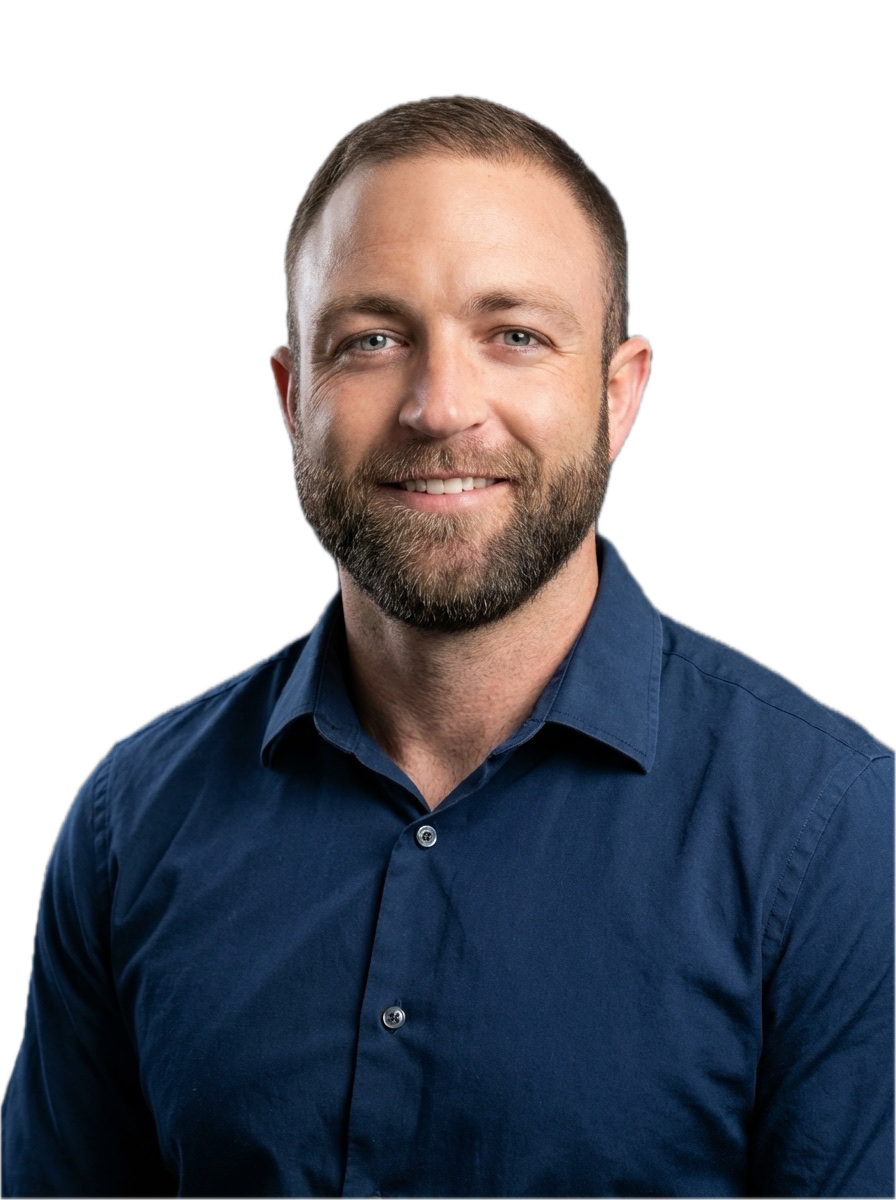
Thomas Perry Jr.

Thomas Perry Jr.

AI Governance Architect

Dallas, TX

Contact
BIO

AI Governance Architect and independent security researcher with 6+ years of experience designing distributed systems, constitutional AI frameworks, and production-grade multi-agent orchestration for regulated industries.

My consulting practice serves healthcare, finance, and legal clients on AI governance, formal verification, and traceable inference systems. Core design principle: "refuse rather than hallucinate" — the system blocks inference when confidence is insufficient rather than generating unverifiable output.

Six peer-reviewed publications on AI orchestration, synthetic identity detection, and anticipatory cyber defense. Every project ships on Cloudflare Workers with full observability.

TECH_STACK

Languages

  • TypeScript (primary)
  • Python
  • SQL
  • LaTeX

AI / ML

  • Constitutional AI
  • RAG Pipelines
  • MCP Servers
  • Multi-Agent Orchestration
  • Embedding Pipelines
  • Drift Detection

Security

  • Synthetic Identity Detection
  • Red-Team AI Research
  • Trust System Analysis
  • NIST CSF 2.0
  • Hash-Chained Audit

Cloud

  • Cloudflare Workers
  • D1, KV, Vectorize
  • Durable Objects
  • Service Bindings
  • Pages
EXPERIENCE
psychology

AI Governance Architect

Independent Practice — 2020 - Present

menu_book

Published Researcher

Zenodo (6 DOIs) — 2025

cloud

Infrastructure Operator

Cloudflare Estate — 2022 - Present

19 D1 databases, 28 KV namespaces, 5 Vectorize indexes, 9 Pages projects

shield

Security Researcher

Red Team / Trust Systems — 2024 - Present

FAQ

AI Governance

What is constitutional AI governance? expand_more
I design constraint frameworks where AI systems operate within verifiable boundaries. The core principle is "refuse rather than hallucinate" — the system blocks inference when confidence is insufficient. This includes drift scoring (0-100), crisis detection routing, and pattern matching across anomaly categories. These aren't theoretical — they run in production and block deployments when standards aren't met.
What industries do you serve? expand_more
My consulting practice serves healthcare, finance, and legal clients. I advise on constitutional AI frameworks, formal verification, and traceable decision-making for defensible AI inference. Each engagement focuses on ensuring AI outputs are verifiable, auditable, and compliant with domain-specific regulations.
What is MCP and how do you use it? expand_more
Model Context Protocol (MCP) servers expose calibration, evaluation, and observation tools that enable any LLM to operate within principled guardrails. I've built MCP servers (Mantle) with drift scoring and crisis detection routing — allowing AI systems to self-regulate without being locked to a specific provider.

Cloudflare Infrastructure

What does your Cloudflare estate look like? expand_more
19 D1 databases in production, 28 KV namespaces, 5 Vectorize indexes (768-dim cosine), 9 Pages projects across 7 custom domains, Workers with service bindings, Durable Objects, and full observability (logs + traces persisted). Every project I've shipped in the past three years runs on Cloudflare.

Security Research

What is synthetic organization detection? expand_more
My research demonstrates that AI can fabricate a completely believable organization — nine synthetic executives with digital provenance — for under $250. I built a detection engine scoring organizations on 8 synthetic signatures (temporal clustering, LLM text artifacts, network isolation, archive absence, financial patterns) with per-signature confidence scoring.
What is your approach to responsible disclosure? expand_more
Generation tools ship alongside detection tools. The finding is simple and urgent: trust on the internet is breakable at scale, and the platforms people rely on have no verification layer. I follow responsible disclosure principles — demonstrating the attack surface while providing the defense playbook.